NSCA TSACF : Tactical Strength and Conditioning Facilitator

  • Exam Code: TSACF
  • Exam Name: Tactical Strength and Conditioning Facilitator
  • Updated: Nov 25, 2026   Q&As: 0 Questions and Answers

We are already working hard to make TSACF exam material available to our valued customers. If you are interested in TSACF exam material, provide us your email and we will notify you.

About NSCA TSACF Exam

A tight study schedule does not have to slow your TSACF preparation. DumpsTests brings 0 focused practice questions for NSCA Tactical Strength and Conditioning Facilitator into one printable, online, or desktop workflow, so you can use short study windows more efficiently in 2026.

Choose Your TSACF Study Format

  • Printable PDF: prepared by experts, available for instant download, suitable for study anywhere, and supported by 365 days of free updates.
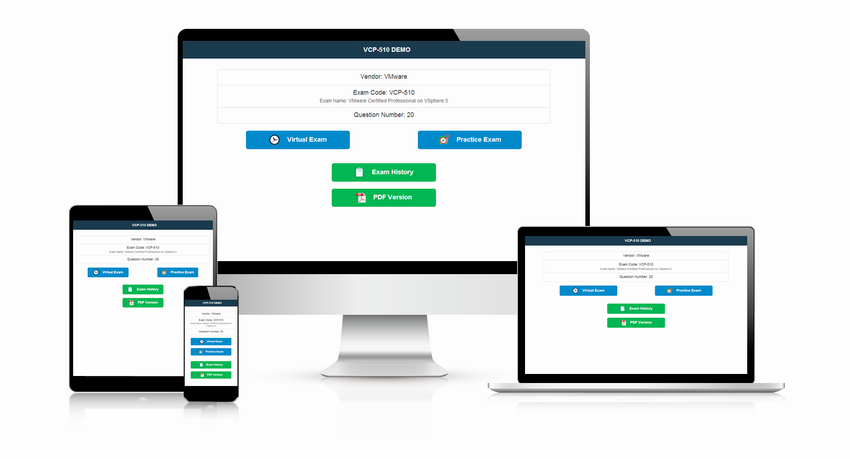
  • Desktop Test Engine: installable Windows software with two practice modes, offline access, and an environment that simulates the exam experience.
  • Online Test Engine: instant access through major web browsers on Windows, Mac, Android, and iOS, with test history and performance review.

Order Support from DumpsTests

  • Security and privacy protection backed by McAfee.
  • A free PDF demo is available so you can review the format and quality before purchasing.
  • Every purchase includes 365 days of free updates, with renewal available at a 50% discount after expiration.
  • Products are delivered by instant download and by email within one minute after payment. Contact customer support if the message does not arrive within two hours.
  • There is no restriction on the number of computers where the product can be installed.
NSCA TSACF Exam Syllabus Topics:
SectionWeightObjectives
Organization and Administration8%- Safe Training Environment
  • 1. Facility safety and risk management
    • 2. Equipment inspection and sanitation
      - Facility Design and Organization
      • 1. Equipment selection, use, and maintenance
        • 2. Training facility layout and organization
          - Policies and Procedures
          • 1. Development and implementation of operational policies
            • 2. Emergency procedures and incident response
              - Professional and Legal Responsibilities
              • 1. Legal responsibilities, liability, and documentation
                • 2. Professional ethics and scope of practice
                  Exercise Technique20%- Dynamic Warm-Up
                  • 1. Biomechanical and metabolic specificity
                    • 2. Movement preparation specific to the training plan
                      - Speed and Sprint Techniques
                      • 1. Sprint techniques with and without occupational equipment
                        • 2. Acceleration and maximal-speed mechanics
                          - Flexibility Techniques
                          • 1. Myofascial release and foam rolling
                            • 2. Static stretching
                              • 3. Dynamic and ballistic stretching
                                • 4. Proprioceptive neuromuscular facilitation stretching
                                  - Agility Techniques
                                  • 1. Agility versus change-of-direction speed
                                    • 2. Starting, stopping, dropping, and rising
                                      • 3. Multidirectional movement and change of direction
                                        - Aerobic Endurance Techniques
                                        • 1. Occupational-specific endurance activities
                                          • 2. Cardiovascular equipment setup and programming
                                            • 3. Cardiovascular exercise modalities
                                              - Safe and Effective Exercise Techniques
                                              • 1. Movement mechanics and breathing
                                                • 2. Body positioning, stance, posture, and alignment
                                                  • 3. Identification and correction of improper technique
                                                    • 4. Spotting and exercise safety
                                                      - Plyometric Exercise Techniques
                                                      • 1. Safe execution of plyometric movements
                                                        - Resistance Training
                                                        • 1. Bodyweight and functional resistance exercises
                                                          • 2. Free-weight exercises
                                                            • 3. Alternative implements, kettlebells, ropes, and load carriage
                                                              • 4. Resistance machine exercises
                                                                Program Design21%- Training Program Design
                                                                • 1. Periodization based on occupational demands
                                                                  • 2. Muscle balance and movement patterns
                                                                    • 3. Specificity and occupational task demands
                                                                      • 4. Program modifications for environmental constraints and operational tempo
                                                                        • 5. Resistance, plyometric, speed, agility, aerobic, anaerobic, and flexibility training
                                                                          • 6. Exercise progression and regression
                                                                            • 7. Manipulation of training variables to achieve performance goals
                                                                              • 8. Rehabilitation, reconditioning, and return-to-performance objectives
                                                                                • 9. Exercise sequencing and session organization
                                                                                  - Mental Skills
                                                                                  • 1. Incorporation of mental skills into training programs
                                                                                    - Recovery
                                                                                    • 1. Individualized recovery methods
                                                                                      • 2. Recovery strategies and training-load management
                                                                                        • 3. Passive and active recovery
                                                                                          - Circumstantial and Lifestyle Factors
                                                                                          • 1. Professional schedules and environmental constraints
                                                                                            • 2. Personal circumstances and fitness goals
                                                                                              - Current Health, Fitness, and Performance Status
                                                                                              • 1. Age, sex, training status, and injury status
                                                                                                • 2. Individual physical capabilities and limitations
                                                                                                  • 3. Fitness and performance relative to occupational standards
                                                                                                    - Needs Analysis Based on Job Requirements
                                                                                                    • 1. Identification of critical occupational tasks
                                                                                                      • 2. Energy systems associated with occupational tasks
                                                                                                        • 3. Physiological requirements and injury risk factors
                                                                                                          Testing, Assessment, and Evaluation13%- Program Evaluation
                                                                                                          • 1. Evaluation of progress and program effectiveness
                                                                                                            • 2. Use of assessment results to design or modify training programs
                                                                                                              - Test Administration
                                                                                                              • 1. Standardized test protocols and administration
                                                                                                                • 2. Test safety and quality control
                                                                                                                  • 3. Selection of appropriate fitness and performance tests
                                                                                                                    - Interpretation of Assessment Results
                                                                                                                    • 1. Identification of strengths, limitations, and injury risk factors
                                                                                                                      • 2. Interpretation of individual and group performance
                                                                                                                        • 3. Comparison with occupational fitness requirements
                                                                                                                          Exercise Sciences20%- Neuromuscular Anatomy and Physiology
                                                                                                                          • 1. Motor units and muscle fiber types
                                                                                                                            • 2. Neuromuscular responses and adaptations to exercise
                                                                                                                              • 3. Muscle spindles and Golgi tendon organs
                                                                                                                                - Biomechanics
                                                                                                                                • 1. Levers, momentum, work, velocity, and joint angles
                                                                                                                                  • 2. Agonists, antagonists, synergists, and stabilizers
                                                                                                                                    • 3. Kinetic and kinematic principles
                                                                                                                                      • 4. Muscle actions and force production
                                                                                                                                        - Anatomy and Physiology
                                                                                                                                        • 1. Cardiopulmonary anatomy and physiology
                                                                                                                                          • 2. Muscle anatomy and function
                                                                                                                                            • 3. Bone and connective tissue anatomy
                                                                                                                                              - Bioenergetics and Metabolism
                                                                                                                                              • 1. Energy systems and their characteristics
                                                                                                                                                • 2. Effects of training variables on energy demands
                                                                                                                                                  • 3. Metabolic responses to exercise
                                                                                                                                                    - Physiological Adaptations
                                                                                                                                                    • 1. Acute and chronic adaptations to exercise
                                                                                                                                                      • 2. Environmental effects on exercise and occupational performance
                                                                                                                                                        • 3. Endocrine responses to exercise
                                                                                                                                                          • 4. Detraining and retraining
                                                                                                                                                            Wellness Intervention10%- Risks of Inappropriate Training
                                                                                                                                                            • 1. Overtraining, injury, and occupational health risks
                                                                                                                                                              • 2. Potential consequences of inappropriate exercise prescription
                                                                                                                                                                - Benefits of Physical Training
                                                                                                                                                                • 1. Long-term wellness and occupational readiness
                                                                                                                                                                  • 2. Health and performance benefits of different training modalities
                                                                                                                                                                    - Lifestyle and Occupational Influences
                                                                                                                                                                    • 1. Lifestyle factors affecting health, wellness, and readiness
                                                                                                                                                                      • 2. Occupational demands and environmental stressors
                                                                                                                                                                        • 3. Effects of sleep, stress, and recovery on performance
                                                                                                                                                                          - Ergogenic Aids
                                                                                                                                                                          • 1. Potential risks and limitations of performance-enhancing substances
                                                                                                                                                                            • 2. Common ergogenic aids and their effects
                                                                                                                                                                              - Risk Factor Mitigation
                                                                                                                                                                              • 1. Injury prevention and health promotion
                                                                                                                                                                                • 2. Identification and reduction of modifiable risk factors
                                                                                                                                                                                  Nutrition8%- Dietary Supplements
                                                                                                                                                                                  • 1. Potential benefits, risks, and limitations of supplementation
                                                                                                                                                                                    • 2. Common dietary supplements and their effects
                                                                                                                                                                                      - Altered Eating Habits and Disorders
                                                                                                                                                                                      • 1. Disordered eating and associated health risks
                                                                                                                                                                                        - Nutritional Factors Affecting Health and Performance
                                                                                                                                                                                        • 1. Hydration and nutritional requirements
                                                                                                                                                                                          • 2. Macronutrients and micronutrients
                                                                                                                                                                                            - Nutritional Strategies
                                                                                                                                                                                            • 1. Nutrition for exercise and occupational performance
                                                                                                                                                                                              • 2. Nutritional timing and recovery

                                                                                                                                                                                                NSCA TSACF Exam Questions Answered

                                                                                                                                                                                                The TSACF exam leads to the NSCA Certification certification from National Strength and Conditioning Association (NSCA). It is positioned at the Entry-Level Professional Certification level. The exam validates the knowledge and skills expected of candidates preparing for NSCA Tactical Strength and Conditioning Facilitator.

                                                                                                                                                                                                Related certifications include:

                                                                                                                                                                                                • Certified Strength and Conditioning Specialist (CSCS)
                                                                                                                                                                                                • NSCA Certified Personal Trainer (NSCA-CPT)
                                                                                                                                                                                                • Certified Special Population Specialist (CSPS)
                                                                                                                                                                                                • Certified Performance and Sport Scientist (CPSS)

                                                                                                                                                                                                The TSACF exam includes 150 (130 scored and 20 unscored) questions and allows 180 minutes. Before test day, divide the available time by the number of questions in a timed practice set to establish a steady per-question pace. If a difficult item starts consuming too much time, mark it for review and move forward instead of losing momentum. A full timed practice session can help you decide when to move on, when to return, and how much buffer to reserve for a final check.

                                                                                                                                                                                                The passing score for TSACF is Scaled score of 70 or higher, and the official exam fee is USD 300 (NSCA members); USD 435 (non-members). Because a retake requires paying the exam fee again, use timed practice results as a readiness check before scheduling your next attempt. If your performance remains inconsistent, continue reviewing weak domains and repeat a timed session before booking the exam.

                                                                                                                                                                                                Candidates must be at least 18 years old, hold a high school diploma or equivalent, and maintain current CPR/AED certification that includes a hands-on skills assessment. Candidates must comply with NSCA certification policies and the Code of Ethics. Refer to the official candidate handbook for documentation deadlines and current eligibility requirements.

                                                                                                                                                                                                Eligibility rules can change, so confirm the current requirements on the official exam page before registering.

                                                                                                                                                                                                Yes. DumpsTests provides a free PDF demo so you can review the format, question style, and answer quality before placing an order. Your purchase includes 365 days of free updates, and expired products can receive continued update service at a 50% discount.

                                                                                                                                                                                                If you purchase the corresponding TSACF preparation material and do not pass that exam within 60 days of purchase, you may apply for a full refund under the 100% Money Back Guarantee. The request requires a scanned exam enrollment slip and the official Score Report PDF, submitted within two days after the exam. Eligible requests are processed within seven days.

                                                                                                                                                                                                Claims are not eligible if the exam was taken within three days of purchase, the product was downloaded without an exam attempt, the order was free or expired, or the candidate name does not match the payer name. If you prefer an exchange instead of a refund, you can receive two free products of equal value while keeping the update service for your original purchase.

                                                                                                                                                                                                Delivery is immediate after checkout. The download is available right away, and the product is also sent to your email within one minute. Contact customer support if it has not arrived within two hours. You may install the product on an unlimited number of computers.

                                                                                                                                                                                                The current TSACF outline is organized into 7 top-level domains. The first listed areas include:

                                                                                                                                                                                                • Exercise Technique (20%)
                                                                                                                                                                                                • Organization and Administration (8%)
                                                                                                                                                                                                • Exercise Sciences (20%)

                                                                                                                                                                                                Review the Exam Topics section above for the complete outline and any nested subtopics.

                                                                                                                                                                                                What Clients Say About Us

                                                                                                                                                                                                LEAVE A REPLY

                                                                                                                                                                                                Your email address will not be published. Required fields are marked *

                                                                                                                                                                                                Quality and Value

                                                                                                                                                                                                DumpsTests Practice Exams are written to the highest standards of technical accuracy, using only certified subject matter experts and published authors for development - no all study materials.

                                                                                                                                                                                                Tested and Approved

                                                                                                                                                                                                We are committed to the process of vendor and third party approvals. We believe professionals and executives alike deserve the confidence of quality coverage these authorizations provide.

                                                                                                                                                                                                Easy to Pass

                                                                                                                                                                                                If you prepare for the exams using our DumpsTests testing engine, It is easy to succeed for all certifications in the first attempt. You don't have to deal with all dumps or any free torrent / rapidshare all stuff.

                                                                                                                                                                                                Try Before Buy

                                                                                                                                                                                                DumpsTests offers free demo of each product. You can check out the interface, question quality and usability of our practice exams before you decide to buy.